Views: 0 Author: Site Editor Publish Time: 2026-03-18 Origin: Site
Choosing the right material for neon flex lighting can be a daunting task for many designers and customers. With several options available, including PU neon flex and silicone neon flex, it’s essential to understand the differences and advantages of each type before making a purchase. Whether you're designing a creative interior lighting scheme or a durable outdoor signage system, the material choice will directly impact the overall performance, aesthetic appeal, and longevity of the lighting installation. In this blog, we will compare PU and silicone LED neon flex lights in terms of key performance metrics, including flexibility, weather resistance, heat tolerance, cost, and overall durability. This comparison will guide you in selecting the best material for your project, whether it's for a high-end, long-lasting installation or a more cost-effective option.
At Orient Lighting, we specialize in providing premium neon flex lights made from both PU and silicone materials, ensuring that our customers have access to the best lighting solutions for a wide range of applications. Let’s dive into the details of each material to help you make a well-informed decision.
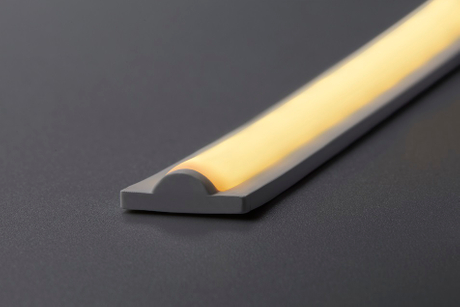
PU LED neon flex is a widely used material that offers a great balance between performance and affordability. Made from polyurethane, a synthetic material, PU neon flex lights are highly flexible, lightweight, and easy to install. This makes them suitable for applications in both residential and commercial spaces where the lighting will not be exposed to harsh environmental conditions. The primary appeal of PU neon flex lies in its cost-effectiveness, making it the go-to choice for budget-conscious projects that don’t require extreme durability.
One of the key features of PU neon flex is its smooth surface, which makes it ideal for more straightforward lighting designs and indoor applications. It is easy to cut, shape, and install, offering flexibility in installation while still providing excellent visual appeal. However, when it comes to outdoor use or extreme conditions, PU neon flex falls short in comparison to silicone.
Silicone LED neon flex, on the other hand, is engineered for superior durability and resistance to extreme environmental factors. This material is made from high-performance silicone rubber, known for its heat resistance, UV stability, and long-lasting flexibility. Silicone neon flex is ideal for outdoor applications where UV exposure, rain, and heat can cause other materials to degrade quickly.
The inherent properties of silicone make it a perfect material for outdoor signage, architectural lighting, and any other application where the lighting will be exposed to harsh elements. It is not only more durable than PU neon flex, but it also retains its performance and appearance even after extended exposure to sunlight and extreme temperatures. For high-end projects that demand performance, longevity, and resistance to outdoor conditions, silicone neon flex is the superior choice.
The following table outlines the key differences between PU neon flex and silicone neon flex based on performance factors that are critical to the success of lighting installations.
Feature | PU Neon Flex | Silicone Neon Flex |
Flexibility | Moderate | Excellent |
Weather Resistance | Good | Superior |
UV Stability | Fair | Excellent |
Heat Tolerance | Moderate | High |
Lifetime | Medium | Long |
Cost | Lower | Higher |
While PU neon flex provides a more affordable option, silicone neon flex excels in areas such as heat tolerance, UV stability, and overall longevity. Silicone neon flex is the material of choice for outdoor projects, as it can withstand extreme weather conditions, including high heat and cold temperatures, without losing its flexibility or degrading over time.
When it comes to flexibility and installation ease, silicone neon flex truly shines. One of its biggest advantages is its ability to bend at a tighter radius compared to PU neon flex. This allows for more creative and intricate lighting designs, such as those involving tight corners or curves. Silicone neon flex can be bent and twisted without compromising the integrity of the material, enabling a smooth, continuous light output even in the most challenging installations.
PU neon flex, although still flexible, does not bend as sharply as silicone. This limitation can impact certain design ideas, particularly in complex or detailed architectural installations where sharp bends are necessary. For designs that require flexibility and the ability to shape the light in creative patterns, silicone neon flex is the clear winner.
If your project calls for more detailed or complex designs, silicone neon flex provides the versatility needed to create intricate, flowing shapes and patterns. Whether it's for signage, backlighting, or decorative lighting, silicone’s superior flexibility ensures that the light strips can be easily shaped into creative patterns without sacrificing light quality.
For simpler applications, where the design is straightforward and there are fewer curves, PU neon flex can still be a viable option. However, when flexibility and precise control over the design are required, silicone is the better material.
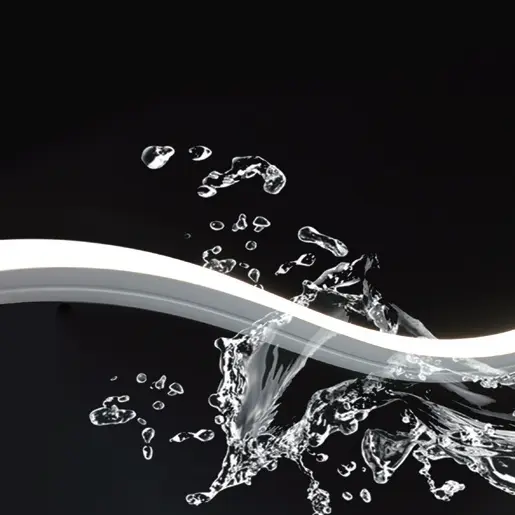
For outdoor lighting applications, resistance to water and UV rays is paramount. Silicone neon flex offers superior UV stability, meaning that it can withstand prolonged exposure to sunlight without deteriorating or losing its color integrity. UV exposure can cause materials like PU neon flex to degrade over time, leading to fading and cracking. This makes silicone neon flex the ideal choice for outdoor projects that need to maintain a fresh, vibrant look throughout their lifespan.
In addition to UV resistance, silicone neon flex is highly waterproof, which makes it suitable for use in areas that experience rain, humidity, or even direct exposure to water. Whether it’s for landscaping, poolside lighting, or exterior signage, silicone neon flex ensures that the lights continue to perform without being compromised by the elements.
Another area where silicone neon flex excels is its ability to withstand extreme temperatures. Whether it’s the scorching heat of summer or freezing winter conditions, silicone remains intact and performs at optimal levels. This is essential for outdoor applications, as temperature fluctuations can affect the performance of lesser materials like PU neon flex. Silicone neon flex’s resistance to both high and low temperatures ensures it remains flexible and functional in all environments, from sunny desert landscapes to chilly mountain settings.
PU neon flex is more affordable upfront, making it a budget-friendly option for projects that don’t require high-end materials or long-term durability. If you’re working within a strict budget and the lighting will be used in a controlled indoor environment, PU neon flex offers a good balance between performance and cost.
However, if the project involves outdoor use or conditions that may put the lighting under stress, such as exposure to high temperatures, moisture, or UV rays, silicone neon flex’s higher upfront cost is justified by its longer lifespan and superior performance. The initial investment in silicone neon flex pays off in the long term, as it requires less maintenance and fewer replacements.
While PU neon flex may seem like a cost-effective choice for short-term projects, silicone neon flex proves to be more cost-efficient over time. The longer lifespan and higher resistance to environmental damage mean that silicone lights won’t need to be replaced as frequently as PU lights. For businesses or properties looking to avoid frequent maintenance or replacements, silicone neon flex offers excellent long-term value.
For applications that don’t involve extreme weather conditions or outdoor exposure, PU neon flex is an excellent choice. It is ideal for indoor use, where budget constraints are a consideration and the environmental demands are lower. PU neon flex is suitable for general lighting, interior signage, or other applications where long-term durability and extreme environmental resistance are not a priority.
Silicone neon flex is the best choice for projects that require outdoor use or involve harsh environmental conditions. Whether it's for a building façade, landscape lighting, or high-end signage, silicone neon flex offers the durability and flexibility needed to thrive in these settings. It’s also the material of choice for projects that require creative and complex designs, thanks to its superior bendability and aesthetic appeal.
In conclusion, the choice between PU neon flex and silicone neon flex depends largely on your project’s specific needs. For indoor, budget-conscious applications, PU neon flex is an excellent option. However, for high-end, long-lasting, and outdoor applications, silicone neon flex is the superior choice, offering enhanced durability, flexibility, and performance. At Orient Lighting, we offer a wide selection of both PU and silicone LED neon flex lighting solutions, ensuring you have the right product for your unique project.
For more information or to explore our range of neon flex lights, contact us today!
1. What is the difference between PU and silicone neon flex?
PU neon flex is cost-effective and ideal for indoor applications, while silicone neon flex is more durable, flexible, and better suited for outdoor environments.
2. Can PU neon flex be used outdoors?
PU neon flex can be used outdoors, but it is not as durable or resistant to UV exposure and weather conditions as silicone neon flex.
3. Which neon flex is more flexible, PU or silicone?
Silicone neon flex is more flexible and better suited for intricate designs and tight bends compared to PU neon flex.
4. Why should I choose silicone neon flex over PU for my project?
Silicone neon flex is better suited for outdoor applications, with superior resistance to UV, water, and heat, making it ideal for long-lasting, high-performance installations.