Views: 0 Author: Site Editor Publish Time: 2026-04-01 Origin: Site
When it comes to lighting your sauna, the type of lighting you choose can significantly impact both the ambiance and functionality of the space. LED strip lights have become increasingly popular for sauna installations, but traditional sauna lighting is still commonly used. So, which is the better option for your sauna? In this article, we will compare sauna LED strip lights to traditional sauna lighting, highlighting the benefits of LED technology, particularly in terms of energy efficiency, safety, heat tolerance, and overall lighting quality. By the end of this guide, you will have a clear understanding of which lighting solution is best suited to your sauna.
At Orient Lighting, we specialize in high-quality LED strip lights, providing innovative lighting solutions for both residential and commercial applications, including saunas. Our products offer superior energy efficiency, safety, and performance, making them the ideal choice for creating a relaxing and efficient sauna environment. Let’s dive into the comparison between LED strip lights and traditional sauna lighting.
Traditional sauna lighting typically involves incandescent or halogen bulbs that can withstand high heat. These bulbs are commonly installed inside heat-resistant fixtures that protect them from the sauna’s intense temperatures. Although they have been the go-to choice for many years, traditional sauna lighting presents several limitations that can affect the overall sauna experience.
One key drawback is the energy consumption of incandescent and halogen bulbs. These lights produce a significant amount of heat as a byproduct of their operation, making them less efficient compared to modern LED solutions. Moreover, the light output from traditional bulbs may not be as uniform or consistent, leading to uneven lighting in the sauna.
While traditional sauna lighting systems are designed to withstand high temperatures, they still present safety concerns. Incandescent bulbs, for instance, emit substantial amounts of heat, making the fixture and surrounding areas hot to the touch. Over time, this can increase the risk of burns or accidents, particularly in environments like saunas where temperatures are already elevated.
Additionally, the heat generated by these bulbs can affect the performance of the lighting system, leading to a shorter lifespan. Traditional lighting solutions also require more maintenance as they are prone to burnouts, especially when exposed to high temperatures consistently.
LED strip lights have become a revolutionary alternative to traditional sauna lighting. SMD (Surface-Mounted Device) and COB (Chip on Board) LED strips are commonly used in sauna installations. SMD LEDs are the most popular due to their affordability and energy efficiency. These LED chips are mounted on a flexible strip, allowing for easy installation and providing a uniform light output across the entire length of the strip.
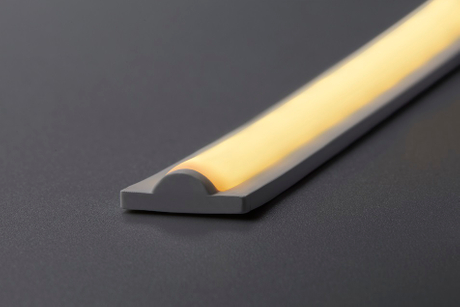
On the other hand, COB LEDs are often used for higher-end applications. They offer even more uniformity in light distribution, making them ideal for creating seamless lighting effects without visible hotspots. COB LED strips are perfect for creating ambient lighting in saunas, where a soft, diffuse glow is often desired.
One of the main advantages of LED strip lights for sauna use is their flexibility and adaptability. Silicone-coated LED strips are highly flexible, allowing them to be easily shaped around corners and edges to provide consistent lighting throughout the sauna. This flexibility ensures that the LED strips can be integrated into sauna designs without compromising aesthetics.
Moreover, silicone LED strips are heat-resistant and can withstand the high temperatures inside a sauna without degrading. This is a major advantage over traditional lighting systems, which can become damaged over time due to exposure to heat. Silicone also adds an extra layer of protection to the LEDs, enhancing their durability and lifespan.
To better understand the differences between LED strip lights and traditional sauna lighting, let’s take a look at a direct comparison of their key features:
Feature | Traditional Sauna Light | LED Strip Light |
Heat Tolerance | Designed for heat | High heat resistance |
Safety | Higher surface heat | Low voltage, safer |
Energy Efficiency | Moderate | High |
Uniform Lighting | Harder to control | Seamless & diffused |
Lifespan | Short to medium | Long |
Heat Tolerance: Traditional sauna lights are built to withstand heat, but LED strip lights offer superior heat resistance, making them more suitable for continuous use in high-temperature environments. LED strip lights maintain consistent performance without the risk of overheating or failure.
Safety: LED strip lights operate at a low voltage, reducing the risk of electric shock or burns. In contrast, traditional lighting systems, especially incandescent bulbs, generate higher surface heat, which can pose a safety risk, particularly in an environment like a sauna.
Energy Efficiency: LED strip lights are far more energy-efficient than traditional sauna lighting. LEDs consume less power while providing the same or even better illumination, which reduces operating costs and minimizes energy consumption in the long run.
Uniform Lighting: One of the major advantages of LED strip lights is their ability to provide seamless and diffused lighting. Traditional lights often suffer from uneven lighting or harsh shadows, which can negatively impact the sauna’s atmosphere. LED strips, however, create a soft, uniform glow that enhances the overall experience.
Lifespan: LED strip lights offer a much longer lifespan compared to traditional lighting systems. While traditional bulbs may need frequent replacements, LEDs can last for many years without losing their brightness or efficiency, making them a more cost-effective solution in the long term.
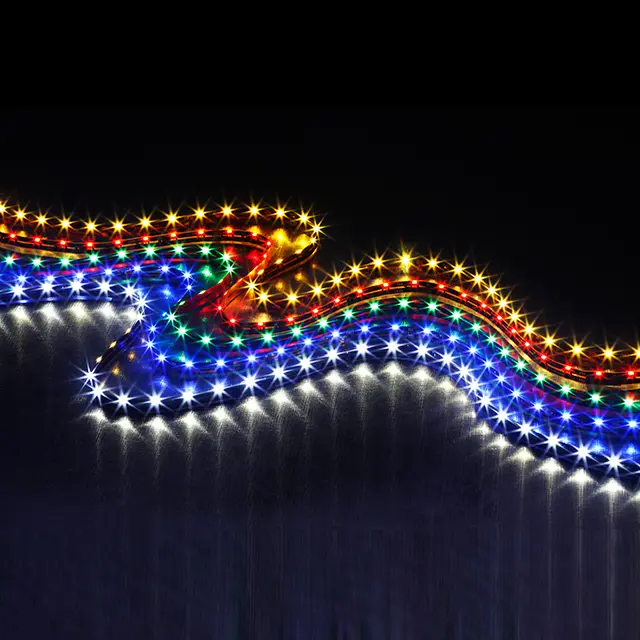
When installing LED strip lights in a sauna, it is essential to use the correct power supply to ensure compatibility with the strips. Since LED strips operate on low voltage, using the right power supply helps prevent issues like flickering or overheating. Proper insulation is also important to protect the lighting system from heat exposure and to ensure safe operation.
Additionally, proper ventilation should be considered to help dissipate heat, even though LED strips generate less heat compared to traditional lighting solutions. Proper installation and attention to the power supply will guarantee a safe and reliable lighting setup in your sauna.
Given the high humidity levels and the constant exposure to moisture in a sauna, choosing waterproof LED strips with the correct IP rating is essential. IP67 or IP68 ratings indicate that the LED strips are fully protected against water and dust ingress. This makes them ideal for sauna environments, where humidity can reach high levels.
Traditional lighting systems may not be as well-suited for these conditions, often requiring additional protective fixtures to prevent damage from moisture.
LED strip lights are capable of creating diffuse warmth, which is essential for achieving a relaxing atmosphere in the sauna. The soft, even glow produced by LED strips enhances the sauna experience by providing a calming ambiance, which is not always possible with traditional lighting solutions. Halogen or incandescent bulbs, which are often used in traditional sauna lighting, can produce harsh highlights or uneven lighting.
One of the most significant advantages of LED strip lights is their design flexibility. They can be easily customized to fit any shape or size, allowing for creative lighting designs that enhance the aesthetic of your sauna. Whether it’s for mood lighting, accent lighting, or ambient illumination, LED strip lights can be molded and installed to meet any design requirement. In contrast, traditional lighting systems offer less flexibility and are often limited to fixed fixtures.
Although the initial cost of LED strip lights may be higher than traditional lighting options, they are far more cost-efficient in the long term. LEDs use less energy, which reduces your electricity bills and operational costs over time. Additionally, LED strip lights require fewer replacements due to their long lifespan, further enhancing their cost-effectiveness.
LED strip lights require significantly less maintenance than traditional sauna lights. Traditional bulbs may burn out frequently due to the high heat, requiring regular replacement. LED strips, however, have a much longer lifespan and operate more efficiently, reducing the need for frequent maintenance and replacements.
In conclusion, when it comes to lighting your sauna, LED strip lights offer numerous advantages over traditional sauna lighting. They are more energy-efficient, provide uniform lighting, and offer better heat resistance, making them the ideal choice for creating a comfortable, safe, and visually pleasing sauna environment. With Orient Lighting's high-quality LED strip lights, you can ensure that your sauna is illuminated with consistency and style, while also benefiting from long-term cost savings.
For more information on how our LED strip lights can enhance your sauna or other lighting projects, contact us today!
1. Why are LED strip lights better for saunas than traditional lighting?
LED strip lights are more energy-efficient, safer, and have higher heat tolerance, making them ideal for sauna environments.
2. Can LED strip lights be used in wet environments like saunas?
Yes, LED strip lights with an IP67 or IP68 rating are fully waterproof and suitable for humid environments like saunas.
3. How long do LED strip lights last compared to traditional sauna lights?
LED strip lights have a much longer lifespan than traditional bulbs, requiring fewer replacements over time.
4. What is the best power supply for sauna LED strip lights?
The best power supply for sauna LED strip lights is one that matches the strip’s voltage requirements and provides stable, low voltage for safe operation.