Views: 0 Author: Site Editor Publish Time: 2025-05-12 Origin: Site
Ever wish your room looked brighter, cooler, or just more fun?LED strip lights can do that—and more.They're flexible, colorful, and easy to install.In this post, you'll learn where to use LED strip lights in every room of your home.
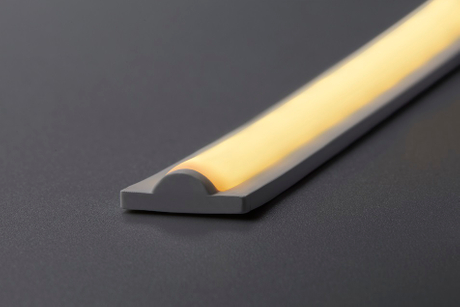
An LED strip light is a long, thin circuit board filled with small LED chips.
It's flexible enough to bend around corners or line curved surfaces.
These lights come in:
● Single color(like warm white or cool white)
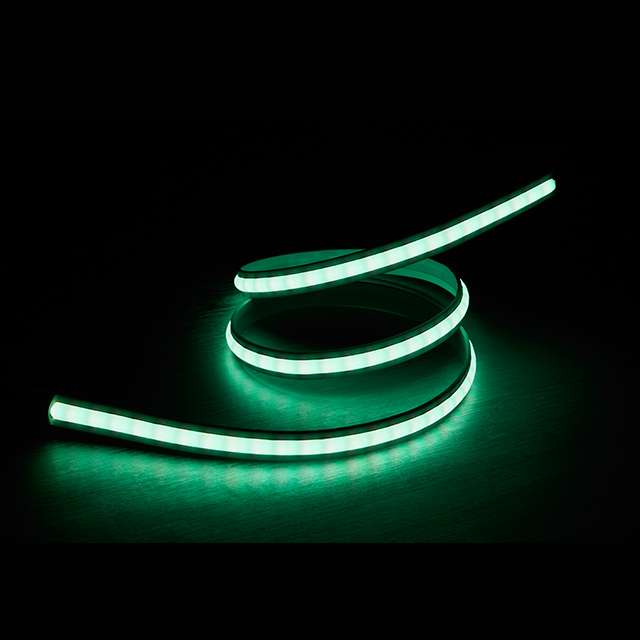
● RGB(red, green, blue for color mixing)
● RGBW(RGB plus white for better brightness control)
You can use them indoors or outdoors—just check for waterproof ratings if needed.
LED strip lights are packed with helpful features that make them great for home use:
Most strips have marked points where you can safely cut them.
Need a longer run? Add an extension or connector.
Many LED strips work with apps, remotes, or even voice assistants like Alexa.
You can dim the light, change colors, or set timers without touching a switch.
A sticky adhesive backing lets you mount it just about anywhere—no tools needed.
Just peel, stick, and plug it in.
Feature | Benefit |
Flexible design | Fits around corners and odd shapes |
RGB & RGBW options | Full color control or enhanced brightness |
Indoor/outdoor use | Safe for any room or outdoor area |
Peel-and-stick backing | Installs in minutes without tools |
Peel-and-stick backing | Installs in minutes without tools |
LED strip lights make it easy to add style, safety, or smart lighting almost anywhere.
LED strip lights aren't just trendy—they're smart, safe, and super useful.
You can place them almost anywhere to improve lighting and style.
Whether you're lining cabinets or outlining stairs, LED strips do both jobs.
They light up dark areas while making everything look cooler.
You can highlight artwork, frame mirrors, or create glow behind TVs.
Want warm white? Go for cozy. Prefer color? Try RGB for bold effects.
Most LED strips run on 12V or 24V, making them much safer than high-voltage lights.
You can even use them near fabric, wood, or kids' furniture without worry.
They're also great for stairs and bathrooms, especially when paired with motion sensors.
Use LED strips to build mood in any space.
Warm tones create cozy corners, while cool tones sharpen focus in work zones.
RGB strips let you pick any color for parties, holidays, or movie nights.
Mood | Best Color Type | Where to Use |
Relaxed & Cozy | Warm White (2700K) | Bedroom, living room |
Bright & Energized | Cool White (6000K) | Kitchen, office |
Fun & Colorful | RGB or RGBW | TV area, kids' rooms |
LED strips use way less electricity than traditional bulbs.
They last thousands of hours, so you won't replace them anytime soon.
Good ones cost more upfront—but save you money long term.
Place strip lights under stair treads or kitchen toe kicks.
They guide you in the dark without waking the whole house.
Add motion sensors to turn them on automatically as you walk by.
LED strip lights are some of the most flexible lights you can use indoors.
Let's explore how to brighten each room in creative ways.
● Cove lightingin the ceiling adds a modern glow
● Behind the TVreduces eye strain and looks amazing
● Under shelves or bookshelveshighlights your décor
● Along baseboards or behind furnituregives a “floating” look
Tip: Use RGB strips for color-changing effects during movies or parties.
● Under-cabinet lightinglights up your counter for food prep
● Toe-kick lightinghelps at night without using bright overheads
● Above cabinetsadds indirect ambient light
● Inside pantry or drawersmakes it easy to find things
● Under-bed glowadds cozy vibes and lights your path
● Behind the headboardsets a soft tone for bedtime
● Around the mirror or vanityhelps with grooming
● Inside closets or drawersmakes items easy to find
Use warm white for relaxing or RGB for mood lighting.
● Around mirrorsfor makeup or shaving
● Under vanityas a soft nightlight
● Near the bathtubfor spa-like mood (use waterproof strips)
● Inside drawersfor extra visibility
Be sure to pick IP-rated waterproof strips for damp areas.
● Under each step:adds safety in the dark
● Along the handrail or wall trim:for continuous soft glow
● Notion-sensor strips:turn on automatically as you walk by
● Under cribs or beds:for gentle night lighting
● Color-changing lights:make the room playful
● Around shelves:to highlight toys or books
Choose low-brightness strips to protect young eyes.
● Behind your computer monitor:to reduce eye strain
● Under desk shelves:for extra task lighting
● Along wall edges:to create a focus-friendly glow
● Inside closets:so you can see everything clearly
● In entryways:for a welcoming effect
● Inside cabinets:to light up hard-to-see spots
LED strip lights don't have to stay in obvious spots.
There are tons of clever places to add glow and function.
Dark storage areas can be frustrating to search through.
Add motion-activated LED strips inside drawers or closets.
They light up instantly when you open the door or pull the drawer.
Perfect for socks, spices, or cleaning supplies.
Frame your favorite memories or art with soft LED lighting.
It adds drama, like a mini spotlight at a gallery.
You can highlight wall art, family portraits, or certificates.
Use warm white for a subtle effect or RGB for bold color accents.
These spaces are often overlooked in lighting design.
Add strips under shelves, behind appliances, or along the baseboards.
It makes the space brighter, safer, and more pleasant to use.
No more sorting socks in the shadows!
Staring at screens all day can cause eye strain.
Install soft backlighting behind monitors for visual comfort.
It also adds a modern touch to your work or study area.
Choose cool white for focus or RGB to match your setup theme.
Transform your gaming area with RGB LED strip lighting.
Line the desk edges, monitor backs, or wall shelves.
Sync colors with gameplay using smart controls.
Create an immersive experience that feels like you're inside the game.

You don't need fancy tools to get started with LED strip lights.
Grab these basics before installation:
● LED strip light– Choose the right length and brightness
● Power supply– Match voltage (12V or 24V) to your strip
● Connectors– For linking or turning corners
● Scissors– Only cut on marked lines (usually every 3–6 LEDs)
Optional items that improve the look and performance:
● Aluminum channels– Keep strips straight and help cool them
● Diffusers– Soften bright light and hide LEDs
● LED controllers/dimmers– Adjust color, brightness, and effects
Use a dry cloth to clean the area where you'll install the strip.
Dust, grease, or moisture can weaken the adhesive.
Smooth, dry surfaces make the strip last longer.
Measure your target area carefully.
Cut the strip only at marked copper pads or scissor icons.
Use sharp scissors for a clean cut that won't damage the strip.
Peel off the adhesive backing slowly.
Press the strip firmly along the surface.
Avoid folding or twisting it too sharply.
Connect the power supply and test the lights.
Make sure all sections light up before final adjustments.
Use diffuser covers to spread the light evenly.
Install aluminum channels for durability and a sleek look.
Add smart controllers if you want app or voice control.
LED strip lights work in almost every room of your home. They're flexible, safe, and simple to install.Start small—maybe in your bedroom or kitchen. Then add more as your ideas grow.Pick quality strips that match your space and style. Great lighting can truly change how a room feels.
A: Yes, but use waterproof strips (IP65 or higher) for safety in damp areas like mirrors or vanities.
A: Absolutely. They're low voltage, cool to the touch, and great for nightlights or fun color effects.
A: Quality strips can last 25,000–50,000 hours depending on usage, heat, and power supply.
A: Yes, if the total wattage stays within the power supply's output limit. Always calculate before connecting.
A: Use aluminum channels, adhesive clips, or run wires behind furniture and along edges.
A: No. You can control strips with remotes, apps, or basic switches. Smart features are optional.